

Key Takeaways
- 44 attorneys general opposed CFTC rules giving the agency exclusive prediction market oversight.
- The coalition claims the CFTC lacks legal authority, threatening states’ power to regulate gambling.
- The pushback intensifies ongoing legal battles to force platforms to obey local gambling laws and taxes.
Bipartisan AG Coalition Opposes Rules Reclassifying Some Sports and Election-Based Event Contracts as Swaps
The federal-state conflict over who regulates prediction markets continues, and now states are fighting to prevent the Commodity Futures Trading Commission (CFTC) from implementing proposed rules that would give the commission exclusive oversight over these platforms.
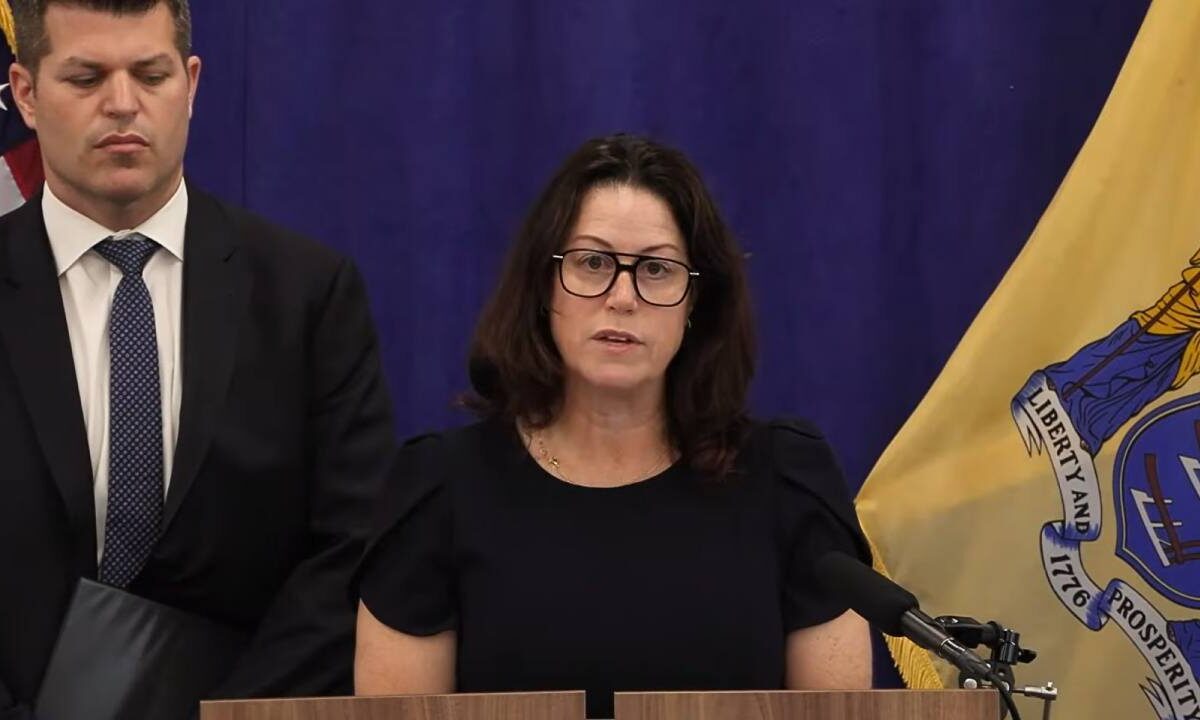
A bipartisan coalition of 44 attorneys general co-led by New Jersey AG Jennifer Davenport sent objections to two proposed rules that would expand the Commission’s oversight on these platforms, keeping state regulators out of the loop.
The first interim rule, already in effect, acknowledges traditional “casino-house” products as gambling, leaving event markets—where bettors wager against each other—out of this classification. The second rule, which is still proposed, aims to reclassify sports and election event markets as swaps, displacing states’ ability to regulate and license them.
Attorneys general from Alabama, Alaska, Arizona, Arkansas, California, Colorado, Connecticut, Delaware, the District of Columbia, Hawaii, Idaho, Illinois, Indiana, Iowa, Kansas, Kentucky, Louisiana, Maine, Maryland, Massachusetts, Michigan, Minnesota, Mississippi, Nebraska, Nevada, New Mexico, New York, North Carolina, Ohio, Oklahoma, Oregon, Pennsylvania, Rhode Island, South Carolina, South Dakota, Tennessee, Utah, Vermont, Virginia, and Wisconsin, pushed against these proposals, stressing that the CFTC regulates specific financial markets and has no legal power to address the harms that gambling can cause.
In addition, the coalition assesses that the commission lacks the power to enact these rules, going beyond the rulemaking power Congress gave it.
Attorney General Davenport stated that the CFTC “continues to stray far outside of its lane” by claiming exclusive oversight of these forms of gambling in prediction markets.
“These actions seek to override states’ longstanding authority to regulate gambling within our borders, which would allow prediction markets to operate without complying with state gambling regulations and safeguards to ensure responsible gaming,” she concluded.
In July, a 44-state bipartisan coalition of AGs led by Ohio Attorney General Andy Wilson sent similar objections to these rules, calling to toss them.
Prediction markets face legal action from several state regulators pushing back against the CFTC’s claims of exclusive oversight, stressing that gambling activities under the companies’ umbrella must be licensed and regulated at the state level, paying the related taxes for their operations.