


Key Takeaways
- Unnamed sources claim a ceasefire between the U.S. and Iran is in the works and will be announced any day now.
- The conflict between both countries, and Israel, started 178 days ago causing economic havoc worldwide.
- Bitcoin’s price is rangebound while precious metals like gold and silver logged modest advances.
U.S.-Iran Military Conflict Continues for 178 Days
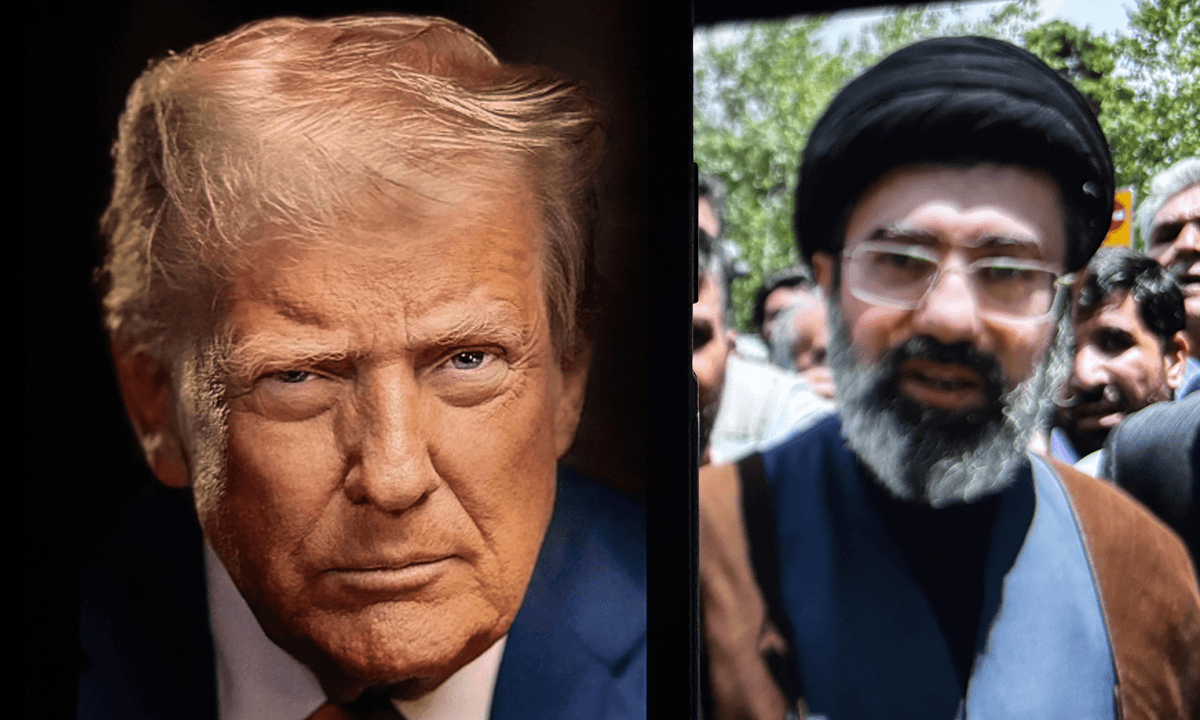
The U.S.-Iran military conflict started on Feb. 28, 2026, and ever since then, wargames have continued, and ceasefire agreements have been broken. The war has done damage to the global economy, causing crude oil prices to skyrocket over the closure of the Strait of Hormuz. This waterway is a shipping route from which an estimated 20% of the world’s global petroleum consumption stems.
So, with military skirmishes and the shipping route shut down and or severely constrained, over the last 178 days, the global economy has been rattled. The war has caused a great deal of volatility among all asset classes. The last ceasefire, enacted on June 17, is no longer active, so reports of a possible new agreement would be positive news.
Unnamed Sources from Pakistan and Iran Claim a Ceasefire Waits in the Wings
On Tuesday, Russia’s RIA Novosti reports that unnamed sources from Pakistan and Iran have revealed the alleged ceasefire. The informants told the news agency that Iran and the U.S. “agreed a ceasefire,” and they added that the deal involves “free navigation in the Strait of Hormuz.” The reports come as Iran and Oman detailed that they have been discussing a joint shipping effort that is mine-free.
At the same time, U.S. President Donald Trump claimed that American forces had already cleared all mines in the waterway, and the Navy would destroy new mines planted. Trump said on Truth Social:
“I have just been informed by the United States Navy that all mines have been removed and/or detonated from within the International Waters of the Strait of Hormuz. Iran has been notified that any ship or boat placing new mines will be immediately and systematically destroyed”
Oil Dips, Equities Rise, Bitcoin and Gold Remain Steady
Oil prices dipped on the news reported on by RIA Novosti, as Brent crude slid to $85.95 while West Texas Intermediate (WTI) crude dropped to $81.64. U.S. equities did well on Tuesday as the four major stock market indexes on Wall Street ended with positive gains.
Records show the Nasdaq Composite (IXIC) rose to 26,151.30 while the Dow Jones Industrial Average (DJI) jumped to 53,577.40. Standard & Poor’s 500 (SPX) logged a rise reaching 7,677.28, and the NYSE Composite (NYA) swelled to 24,768.65 at the end of the trading session at 4:00 p.m. and into extended trading. Precious metals logged modest gains as an ounce of gold’s bid stood at $4,665 per ounce and silver at $68.93.
Bitcoin’s price traded between $78,750 to $79,500 per unit, losing around 0.4% by Wall Street’s close but still up 21.8% this week. The leading crypto asset’s market cap stood at $1.583 trillion, equating to 58% of the $2.73 trillion crypto economy. The bitcoin price rally comes as market observers watch the U.S. Treasury and Secretary Scott Bessent’s next moves.
The Loudest Advertisement for Neutral Settlement Asset
In addition to the long bond buyback discussions Bessent disclosed last week, he noted this week that the “single greatest financial offensive ever” against Iran would be unleashed. Bitcoiners also took this as a positive signal.
“A Treasury openly weaponizing dollar rails against an adversary, days after openly administering its own bond market, is the loudest advertisement for neutral settlement assets the machine has produced yet,” one X account wrote. Others speculated that Iranian citizens will turn to bitcoin amid a financial onslaught.
With all the positive tailwinds BTC has seen lately, a legitimate and lasting ceasefire between Washington and Tehran would be an added bonus.